
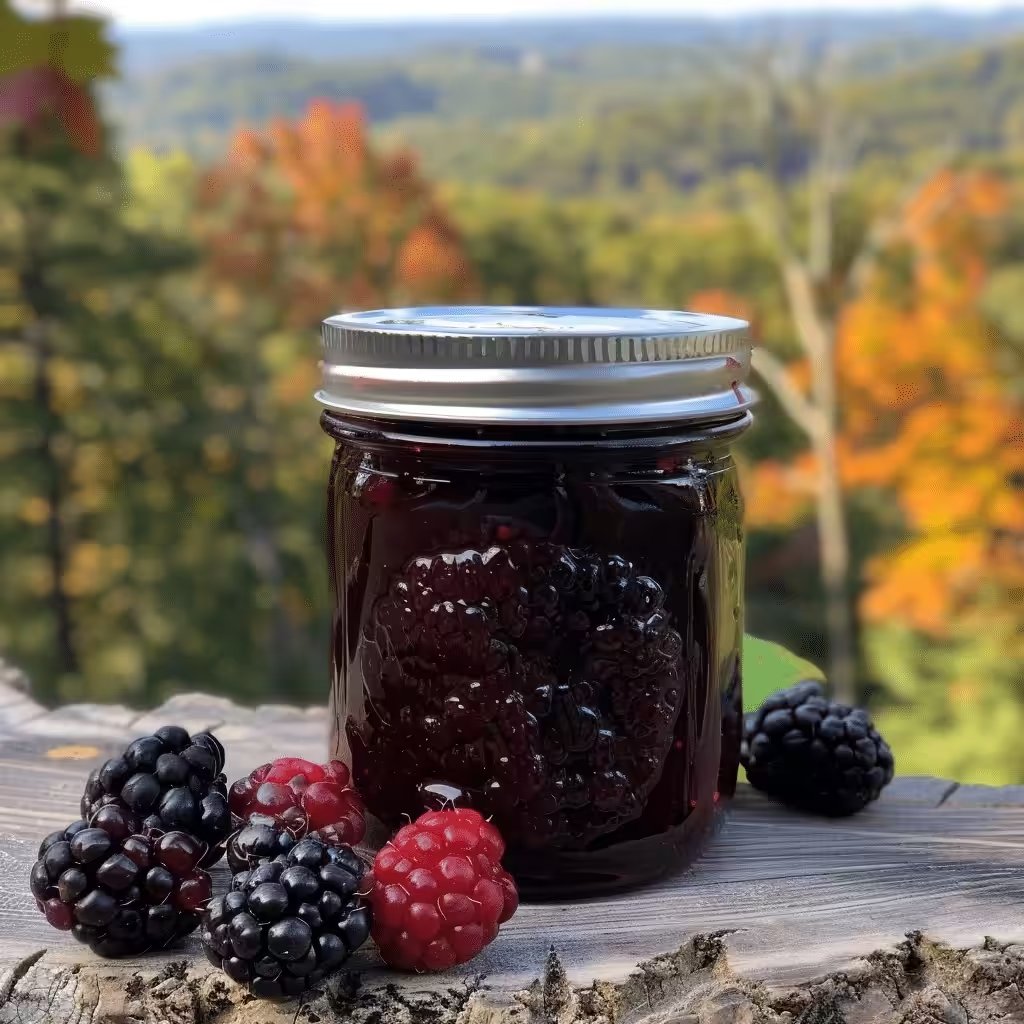
Making homemade blackberry jelly without the use of added pectin is a rewarding culinary experience. This blackberry jelly recipe is designed to showcase the natural flavors of ripe blackberries, resulting in a beautifully clear and intensely flavored spread. This guide walks you through each step, making crafting your own jelly an achievable and satisfying kitchen project.
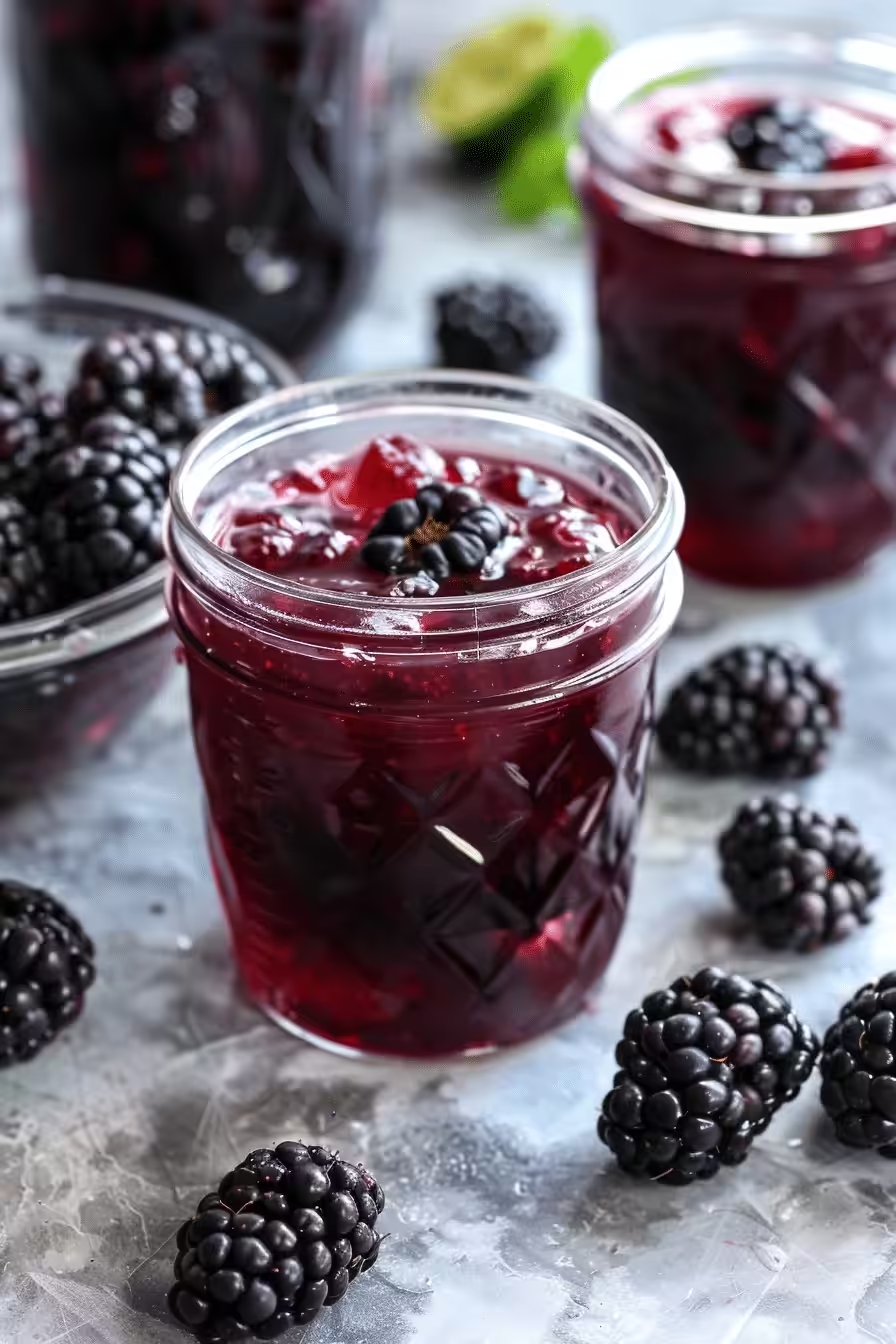
Recipe Overview
| Prep Time | 30 minutes |
|---|---|
| Cook Time | 30-45 minutes |
| Total Time | 1 hour 15 minutes |
| Servings | 4-5 cups |
| Difficulty | Medium |
| Cuisine | American |
Why This Recipe Works
This no pectin blackberry jelly recipe works because it relies on the natural pectin present in blackberries, although in lower levels compared to apples. The key is proper cooking to concentrate their natural pectin and achieve the right gelling consistency. This method highlights the pure blackberry flavor, creating a perfect balance between sweetness and the fruit’s natural tartness.
Personally, I have made countless batches of different types of jellies over the years, testing different techniques. I’ve found that patience and precision are key when making jelly. By following the steps in this recipe, you are virtually guaranteed successful and delicious results. This recipe emphasizes simplicity but delivers on incredible flavor and texture, making it a favorite in my kitchen.
Ingredients
| Ingredient | Quantity | Notes |
|---|---|---|
| Fresh Blackberries | 4 cups | Choose ripe, plump berries for the best flavor. |
| Water | 1/2 cup | Helps to extract the juices from the blackberries. |
| Granulated Sugar | 3 cups | Provides sweetness and aids in gelling. |
| Lemon Juice | 1/4 cup | Adds acidity and enhances the gelling process. |
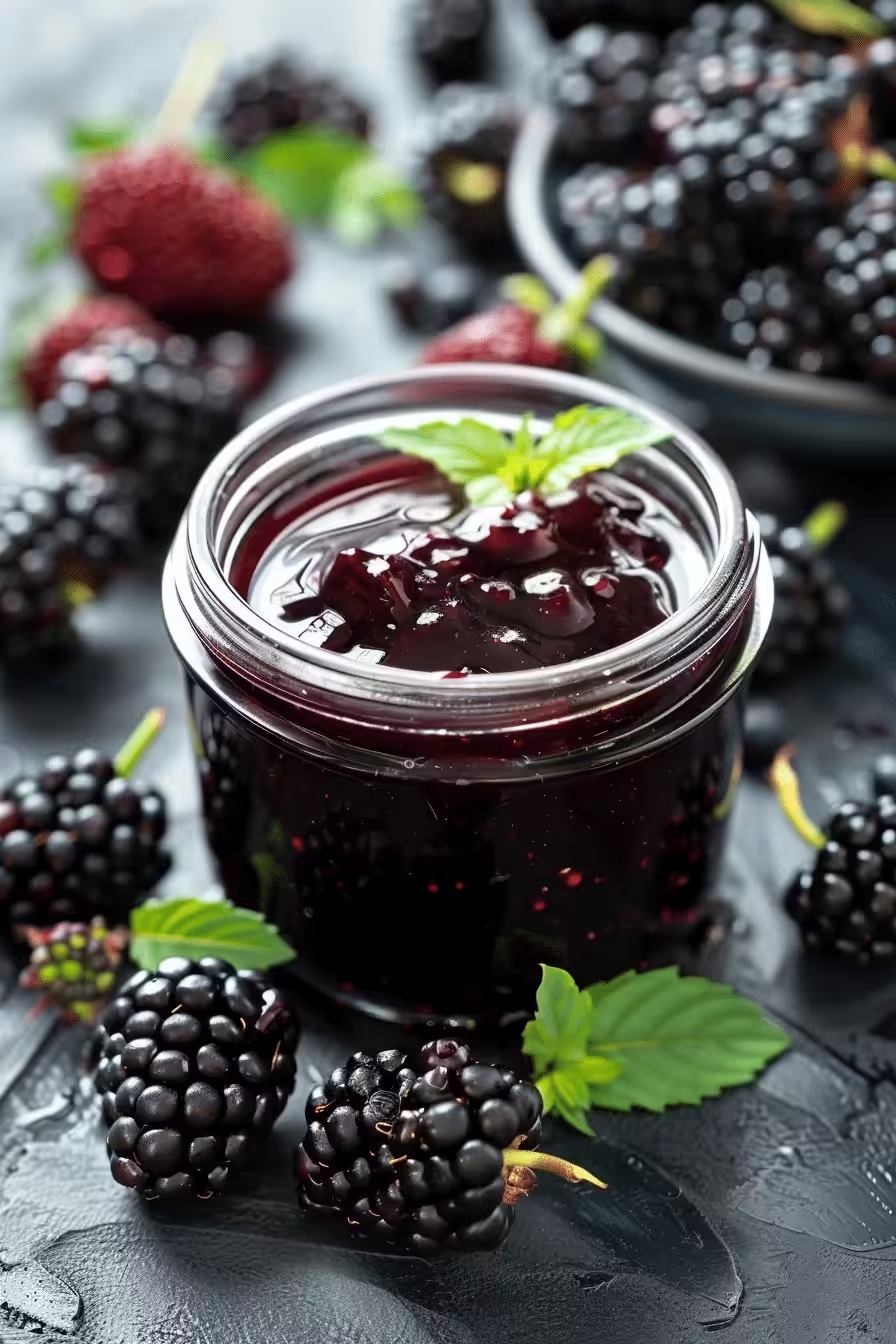
Step-by-Step Instructions
-
Prepare the Blackberries
Rinse the fresh blackberries under cold water to remove any dirt or debris. Gently remove any stems or leaves. Ensure the berries are clean, as this will affect the final clarity and flavor of your jelly.
-
Simmer the Berries
Combine the rinsed blackberries and the water in a large, heavy-bottomed saucepan. Bring the mixture to a boil over medium-high heat. Reduce the heat and simmer the berries until they soften and release their juices, roughly 15-20 minutes. Stir occasionally to prevent sticking.
-
Extract the Juice
Use a potato masher, gently crush the softened berries to release more juice. Do not pulverize the seeds. Line a fine-mesh sieve with several layers of cheesecloth and place it over a clean bowl. Pour the cooked blackberry mixture into the cheesecloth-lined sieve. Allow the juice to drain on its own, without pressing, for at least 30 minutes, or longer for clearer jelly.
-
Combine Juice and Sugar
After the juice has drained, measure it to determine the sugar ratio. For the best result, the ratio should be approximately equal parts juice and sugar, as a general rule. Return the measured juice to the cleaned saucepan. Add the sugar, and stir.
-
Add Lemon Juice and Boil
Stir in the lemon juice and bring the mixture to a boil over medium-high heat, constantly stirring to dissolve the sugar. Once boiling, continue to boil, stirring occasionally, until the jelly reaches the gelling point. Use a candy thermometer to monitor the temperature.
-
Test for Gelling Point
The gelling point is achieved at 220°F (104°C). Alternatively, use the cold plate test. Place a small plate in the freezer before you begin. Drop a spoonful of jelly onto the cold plate, let it cool a moment, then push the jelly with your finger. If it wrinkles, it’s ready.
-
Prepare the Jelly
Remove the saucepan from the heat. Carefully skim off any foam from the surface of the jelly to ensure clarity. Ladle the hot jelly into sterilized jars, leaving about a 1/4 inch of headspace.
-
Seal and Process the Jars
Wipe the jar rims clean and place lids and rings on the jars. Process in a boiling water bath for 10 minutes. Alternatively, and for shorter-term storage, the jars can be inverted and allowed to cool, creating a partial vacuum seal.
-
Cool and Check the Seal
Remove the jars from the water bath (if using). Place them on a towel-lined surface to cool completely. Listen for the sound of the lids “pinging” as they seal. Test the seal by pressing the center of each lid. If they do not flex, the seal is good.
Chef Tips for Perfect Results
- Choose perfectly ripe blackberries:
Select plump, ripe berries with dark color and a slightly soft texture for optimal flavor and natural pectin content. - Use a heavy-bottomed pan:
This prevents the mixture from scorching and ensures even cooking of the jelly. - Don’t rush the straining process:
Allow ample time for the juice to drain through the cheesecloth without pressing the berries for a clearer jelly. - Monitor the gelling point carefully:
Use a candy thermometer or the cold plate test to ensure the jelly reaches the correct consistency for setting. - Sterilize your jars properly:
This ensures your jelly will last longer at proper storage temperatures with no contamination. - Test for doneness:
If you are unsure of your gelling point temperature, test it on a cold plate or spoon.
Common Mistakes to Avoid
- Using underripe blackberries:
Underripe berries have less natural pectin, which may result in jelly that doesn’t set properly, leading to a runny consistency. - Overcooking the jelly:
Prolonged boiling can cause the jelly to become too thick and syrupy, diminishing its clarity and flavor. - Not allowing enough draining time:
Insufficient draining time can lead to cloudy jelly with a less desirable texture. - Adding too much sugar:
Excessive sugar can hinder the gelling process and may make the jelly overly sweet. Ensure you’re using the correct ratio. - Insufficient sterilization:
Incorrect sterilization can lead to spoilage.
Variations and Substitutions
| Ingredient | Substitution | Impact on Flavor |
|---|---|---|
| Blackberries | Raspberries or Marionberries | Adds different fruit flavor profiles; may alter set, and require more/less sugar. |
| Granulated Sugar | Cane Sugar | Similar results, may affect clarity slightly. |
| Lemon Juice | Lime Juice | Offers a slightly different tartness; adjust to taste. Start with less and add more if needed. |
Serving Suggestions and Pairings
Blackberry jelly, especially using this blackberry jelly recipe, is delightfully versatile and adds a touch of gourmet to any meal. Use it on crusty bread for breakfast, or complement afternoon tea with scones slathered with homemade blackberry jelly and clotted cream. Serve it on toast with a bit of cream cheese. As a glaze, it’s perfect for ham glaze, or even as a simple topping for cheesecake. This jelly also works well on grilled cheese sandwiches or alongside roasted meats for a sweet-and-savory combination.
Storage and Reheating
| Method | Duration | Instructions |
|---|---|---|
| Pantry (Sealed Jars) | Up to 1 year | Store in a cool, dark place away from direct sunlight. |
| Refrigerator (Opened Jars) | Up to 1-2 months | Keep the jar tightly sealed, and use a clean utensil to remove jelly. |
| Freezer (Sealed Jars) | Not Recommended | Freezing may change the texture. |
Nutritional Information
| Nutrient | Amount per Serving |
|---|---|
| Calories | Approx. 40 kcal |
| Protein | 0g |
| Fat | 0g |
| Carbohydrates | 10g |
| Fiber | 1g |
| Sugar | 9g |
| Sodium | 0mg |
Approximate values.
Frequently Asked Questions
Can I use frozen blackberries to make blackberry jelly?
Yes, you certainly can. Using frozen blackberries is a fine option, and it’s a great way to use berries year-round. Allow the berries to thaw completely before using them, and drain off any excess liquid before simmering. It may result in slightly less clear jelly.
How do I know when my blackberry jelly is done setting?
The best way to determine when your jelly has reached the gelling point is to use a candy thermometer, aiming for a temperature of 220°F (104°C). The cold plate test is also a useful method: place a small plate in the freezer before starting. Place a spoonful of hot jelly on the plate; let it cool for a moment, then push it with your finger. If it wrinkles, it’s ready.
My blackberry jelly didn’t set. What could have gone wrong?
Several factors can cause your jelly not to set. For example, using underripe blackberries with insufficient pectin levels, inaccurate sugar measurements, or not boiling the jelly long enough. Ensure you have the right ratio of sugar for the juice, and always test for the gelling point using a thermometer or the cold plate method. [More information about jelly making methods](https://www.google.com/) is available online.
Can I make blackberry jelly ahead of time?
Absolutely. You can make this blackberry jelly well in advance. Once the jars are sealed correctly, the jelly can be safely stored in a cool, dark place for up to a year. Making it ahead of time is a good way to save time and give the flavors time to meld before serving.
What are some other ways to serve blackberry jelly?
Blackberry jelly shines in many ways. Try serving it on breakfast toast and scones or as a glaze for meats. It also adds a delicious twist to savory dishes. You can also experiment with using it in dessert recipes, such as layered trifles or as a glaze.
Conclusion
This blackberry jelly recipe no pectin is more than just a recipe; it’s a chance to savor the essence of summer. The process, while requiring some attention, is straightforward and yields a jar of pure, concentrated fruit flavor. With its vibrant color and exceptional taste, this homemade blackberry jelly is sure to be a cherished addition to your culinary repertoire. Enjoy its signature, bright, and slightly tart taste, a testament to the simplicity of great ingredients.
Print
Blackberry Jelly Recipe: No Pectin Needed
- Total Time: 75
- Yield: 4–5 cups 1x
- Diet: Vegetarian/Halal
Description
A homemade blackberry jelly recipe that uses natural fruit pectin for a clear, intensely flavored spread. No added pectin required—just sweet, tart blackberry goodness.
Ingredients
4 cups fresh blackberries
1/2 cup water
3 cups granulated sugar
1/4 cup lemon juice
Instructions
Rinse blackberries under cold water and remove stems or leaves
Combine blackberries and water in a large saucepan; bring to a boil
Simmer 15–20 minutes until berries soften and juices release
Strain through a cheesecloth-lined fine-mesh sieve to extract juice (see note)
Return juice to saucepan and add sugar and lemon juice
Bring to a rolling boil, then simmer 5 minutes
Skim any foam
Ladle into sterilized jars, leaving 1/4-inch headspace
Process in a water bath for 10 minutes
Cool jars completely
Notes
Blanch jars and lids in hot water to sterilize
For smoother texture, strain twice and run sieve over a pitcher before skimming
Store in cool, dark place for up to 1 year
- Prep Time: 30
- Cook Time: 45
- Method: Canning
- Cuisine: American
Nutrition
- Serving Size: 1 tablespoon (15g)
- Calories: 75
- Sugar: 20g
- Sodium: 4mg
- Fat: 0g
- Saturated Fat: 0g
- Carbohydrates: 21g
- Fiber: 0.3g
- Protein: 0.2g
- Cholesterol: 0mg