
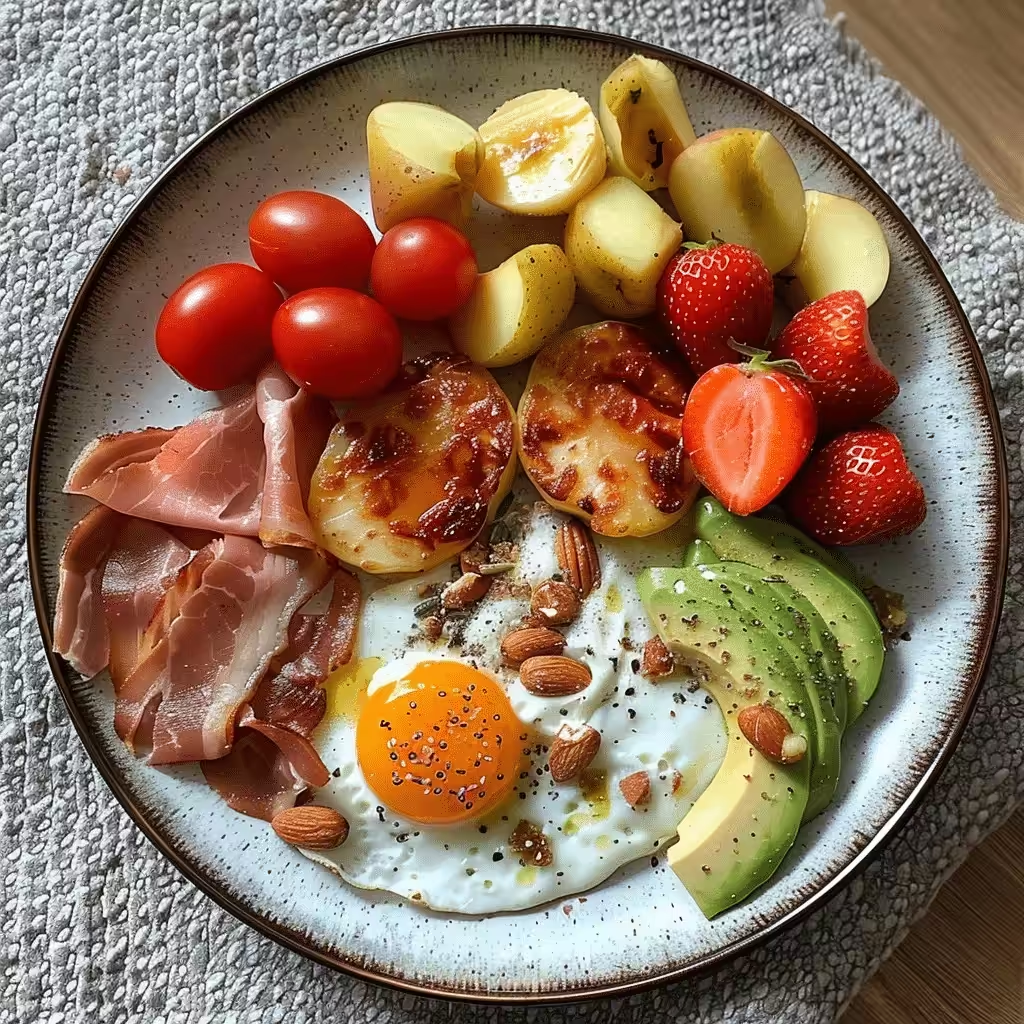
An easy breakfast for gestational diabetes should prioritize balanced nutrition and controlled blood sugar levels. This recipe offers a delicious and satisfying breakfast option specifically designed to help manage gestational diabetes by incorporating high-fiber carbohydrates, lean protein, and healthy fats. It avoids added sugars and processed foods, contributing to consistent energy levels throughout the morning, essential for managing blood glucose during pregnancy.

Recipe Overview
| Prep Time | 10 minutes |
|---|---|
| Cook Time | 15 minutes |
| Total Time | 25 minutes |
| Servings | 2 |
| Difficulty | Easy |
| Cuisine | American |
Why This Recipe Works
I developed this recipe after working with several pregnant women managing gestational diabetes. The primary goal was to create a breakfast that tastes good and facilitates healthy blood sugar levels. I experimented with various ingredients and found that combining whole grains, such as oats, and lean protein, like eggs, provides sustained energy without causing rapid glucose spikes. Moreover, incorporating healthy fats from sources like avocado further helps stabilize blood sugar and boosts satiety.
Finding the right balance was key. It was a matter of swapping out high-sugar ingredients for nutrient-dense alternatives. I focused on building a breakfast that’s not only nutritious but also flavorful and enjoyable. This recipe is now a staple, offering a reliable, delicious, and diabetes-friendly way to start the day.
Through trial and error, this breakfast provides a satisfying meal that supports both maternal and fetal health, and manages blood sugar levels effectively. This approach means the dish is perfect for preventing unwanted cravings and food swings throughout the day. It also promotes lasting energy without the need for additional snacks.
Ingredients
| Ingredient | Quantity | Notes/Alternatives |
|---|---|---|
| Rolled Oats | 1/2 cup | Use old-fashioned oats for best texture and glycemic impact. |
| Unsweetened Almond Milk | 1 cup | Can substitute with unsweetened soy milk or water. |
| Chia Seeds | 1 tablespoon | Adds fiber and helps with blood sugar control. |
| Cinnamon | 1/2 teaspoon | Adds flavor and may help with insulin sensitivity. |
| Eggs | 2 large | Provides protein for satiety. |
| Avocado | 1/2, sliced | Provides healthy fats for blood sugar control. |
| Berries (strawberries, blueberries, raspberries) | 1/2 cup | Use a mix for variety and antioxidants. Fresh or frozen. |
| Walnuts or Almonds (chopped) | 1 tablespoon | Additional healthy fats and crunch. |
Step-by-Step Instructions
- Prepare the Oatmeal: In a small saucepan, combine the rolled oats, almond milk, chia seeds, and cinnamon.
- Cook the Oatmeal: Bring the mixture to a simmer over medium heat, stirring occasionally. Cook for about 5-7 minutes, or until the oats have softened and the mixture has thickened.
- Cook the Eggs: While the oatmeal is cooking, prepare the eggs. You can scramble them, fry them, or poach them to your preference.
- Assemble the Breakfast: Transfer the cooked oatmeal to two bowls. Top each bowl with the cooked eggs, sliced avocado, and a serving of mixed berries.
- Add Nuts and Serve: Sprinkle with chopped walnuts or almonds. Serve immediately for optimal enjoyment.

Chef Tips for Perfect Results
- Use a non-stick pan for the eggs to avoid sticking and reduce the need for added fats. Lightly grease the pan if necessary.
- Adjust the cooking time of the oatmeal based on your preferred consistency. For a thicker consistency, cook the oats longer.
- Don’t overcook the eggs; slightly soft eggs add a creamier texture.
- Prep the ingredients ahead of time. Chop the avocado and measure the berries to streamline the morning prep.
- Experiment with spices. A dash of nutmeg or cardamom can add depth of flavor to the oatmeal.
- Ensure the berries are fresh or fully thawed if frozen, preventing excess liquid in the dish.
Common Mistakes to Avoid
- Using Instant Oats: Instant oats cook quickly and may lead to a higher glycemic response than the heartier old-fashioned rolled oats. Choose rolled oats for better control of your blood sugar.
- Overcooking the Eggs: Overcooked eggs can become rubbery. Monitor the eggs closely when cooking, and remove them from the heat just before they reach your desired doneness.
- Adding Too Much Sweetener: Avoid adding excess sugar or honey to the oatmeal. Instead, rely on the natural sweetness of the berries and incorporate a pinch of cinnamon for flavor enhancement.
- Skipping the Healthy Fats: Do not omit the avocado. Healthy fats are crucial for blood sugar management because they slow down the digestion process and promote satiety.
- Overfilling the Bowl: Portion sizes are vital. Be mindful of serving sizes for oats to avoid excessive carb intake, which can cause blood sugar spikes.
Variations and Substitutions
| Ingredient | Substitution | Impact on Flavor |
|---|---|---|
| Rolled Oats | Steel-cut oats | Offers a chewier texture; requires longer cooking time. |
| Almond Milk | Unsweetened soy milk | Similar nutritional profile and taste. |
| Chia Seeds | Ground flaxseed | Adds fiber and a nutty flavor. |
| Cinnamon | Nutmeg or Cardamom | Adds a slightly different warm spice flavor. |
| Eggs | Egg whites | Reduces cholesterol and fat content. |
| Avocado | A tablespoon of almond butter | Adds healthy fats and a nutty flavor. |
| Berries | Sliced banana (in moderation) | Introduces potassium and natural sweetness but should be used sparingly. |
Serving Suggestions and Pairings
This easy breakfast for gestational diabetes is great on its’ own, but it can be enhanced in different ways depending on the occasion. For a simple everyday breakfast on a weekday, the basic recipe is ideal. For a more special occasion, consider adding a sprinkle of unsweetened coconut flakes or a dash of vanilla extract to the oatmeal.
For a brunch or a weekend breakfast, this breakfast can be served alongside a small portion of plain Greek yogurt or a cup of herbal tea. For those who want more protein, a side of smoked salmon or a serving of turkey bacon is a great option. For a family-style meal, a larger batch of the oatmeal can be prepared, and all the toppings can be set out so that everyone can customize their own bowl.
Storage and Reheating
| Method | Duration | Instructions |
|---|---|---|
| Cooked Oatmeal | 3-4 days | Store in an airtight container in the refrigerator. Reheat in the microwave or on the stovetop with a splash of milk or water. |
| Cooked Eggs | 2-3 days | Store in an airtight container in the refrigerator. Reheat in the microwave. |
| Berries | 2-3 days | Store fresh berries in a container with a paper towel in the refrigerator. Thaw frozen berries in the refrigerator. |
| Assembled Breakfast | Not Recommended | The assembled breakfast is best eaten immediately due to the avocado and toppings. |
Nutritional Information
Approximate values. Nutritional information may slightly vary based on specific ingredients and portion sizes.
| Nutrient | Amount per Serving |
|---|---|
| Calories | Approximately 400-450 kcal |
| Protein | Around 20-25 g |
| Fat | Approximately 20-25 g |
| Carbohydrates | Around 40-50 g |
| Fiber | Approximately 10-15 g |
| Sugar | Around 10-15 g (primarily from berries) |
| Sodium | Varies depending on ingredients |
Frequently Asked Questions
Can I substitute the rolled oats for another grain?
Yes, you can substitute the rolled oats with other whole grains like steel-cut oats or quinoa. Be mindful that steel-cut oats require a longer cooking time. Quinoa provides another balanced choice, offering a complete protein and a low glycemic index, which can help manage blood sugar fluctuations.
How do I know when the oatmeal is cooked to the right consistency?
The oatmeal is ready when it has absorbed most of the liquid and has reached your preferred consistency. Stir frequently during cooking to prevent sticking. If you like a thicker oatmeal, let it simmer longer. For a thinner consistency, use a bit more liquid or cook for a shorter time.
What can I do if my eggs are overcooked?
If your eggs become overcooked and rubbery, there are ways to fix them next time. The main cause is cooking them for too long or at too high a temperature. For best results, use a moderate heat and cook until the whites are fully set and the yolks are still slightly soft. For future cooking, remove the eggs from the heat source right before they reach your desired level of doneness, as they will continue to cook from the residual heat.
Can I make this breakfast ahead of time?
You can prepare parts of this breakfast ahead of time to save time. The oatmeal can be cooked in advance and stored in the refrigerator, ready to be reheated. The eggs can also be cooked and stored separately. I recommend that you assemble the rest of the ingredients right before serving to maintain the best quality and texture.
What should I serve with this breakfast to increase satiety?
To increase satiety, consider adding an extra serving of protein or healthy fats. For example, a side portion of Greek yogurt or a handful of nuts would be excellent choices, offering extra protein and healthy fats. Another way to add to satiety is by including a source of healthy fats, such as a tablespoon of almond butter, or adding more fiber-rich components to the meal.
For more helpful guidance on managing gestational diabetes, consult these resources:
Conclusion
Choosing an easy breakfast for gestational diabetes is an essential part of managing this condition. This recipe delivers a satisfying start to your day. Enjoy the combination of textures and flavors. With balanced nutrition that stabilizes blood sugar, this breakfast sets the perfect tone for a healthy pregnancy. The combination of protein-rich eggs and creamy avocado balances perfectly with the naturally sweet flavor of fresh berries.
Print
Easy Breakfast for Gestational Diabetes
- Total Time: 25
- Yield: 2 servings 1x
Description
A balanced breakfast bowl with fiber-rich rolled oats, poached eggs, and creamy avocado for sustained energy. Ideal for managing blood sugar during pregnancy with no added sugars or processed ingredients.
Ingredients
1/2 cup rolled oats
1 cup unsweetened almond milk (or unsweetened soy milk/water)
1 tablespoon chia seeds
1/2 teaspoon cinnamon
2 large eggs
1 avocado, sliced
Optional: fresh berries or unsalted nuts for topping
Instructions
Bring almond milk to a boil in a small pot
Stir in rolled oats and chia seeds, then add cinnamon
Reduce heat to low and simmer 5 minutes until oats are tender
Poach eggs in a separate pan or boil gently for 6-7 minutes
Divide cooked oats into two bowls
Top each with 1 poached egg and avocado slices
Sprinkle additional cinnamon if desired
Notes
Use old-fashioned steel-cut oats for better glycemic control
Add a handful of spinach to boost iron content
Store leftovers in an airtight container for up to 24 hours
Reheat gently to preserve texture
- Prep Time: 10
- Cook Time: 15
- Method: Stovetop
- Cuisine: American
Nutrition
- Serving Size: 1 bowl
- Calories: 375
- Sugar: 2g
- Sodium: 400mg
- Fat: 20g
- Saturated Fat: 2g
- Carbohydrates: 32g
- Fiber: 8g
- Protein: 18g
- Cholesterol: 180mg